
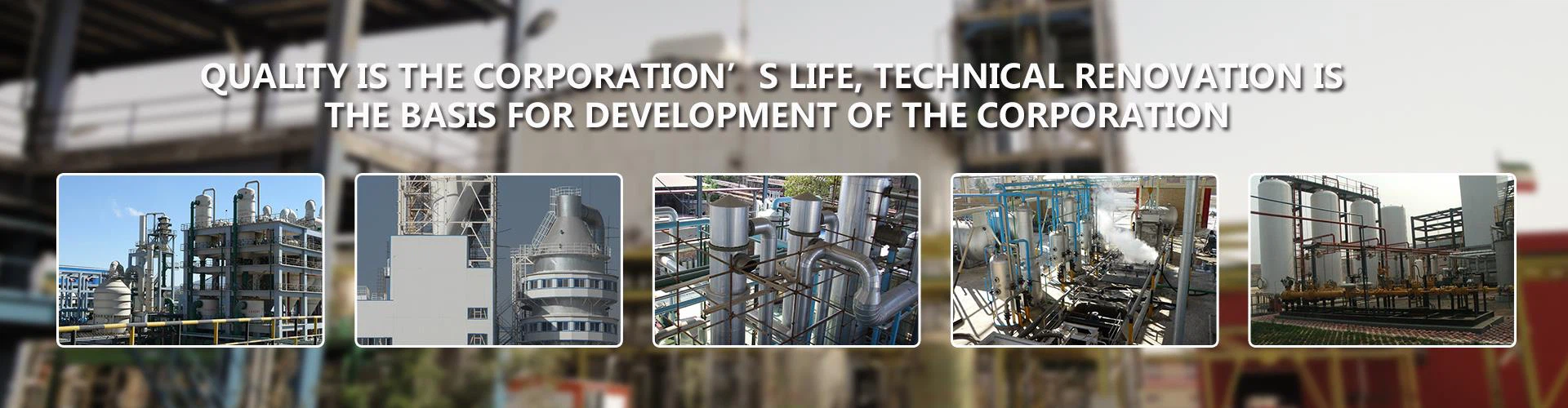
Chlor - alkali plants are industrial facilities that play a pivotal role in the chemical industry. They are primarily engaged in the production of chlorine, sodium hydroxide (caustic soda), and hydrogen through the electrolysis of sodium chloride solutions.
1. The Production Process
2. Main Products and Their Applications
3. Market Trends and Growth Drivers
4. Environmental Impact and Sustainability
5. Global Market Overview
6. Key Players in the Industry
7. Challenges and Opportunities
1. The Production Process
: This is the most common method used in modern chlor - alkali plants. In a membrane cell, a special ion - exchange membrane, such as one made from Nafion, Flemion, or Aciplex, is used. Saturated brine is fed into the cell, and at the anode, chloride ions are oxidized to form chlorine gas. At the cathode, water is reduced to hydroxide ions and hydrogen gas. The membrane allows sodium ions to pass through to the cathode compartment, where they react with the hydroxide ions to produce caustic soda. This process offers high - purity products and good energy efficiency while minimizing environmental impact.
: In the mercury - cell process, also known as the Castner - Kellner process, a saturated brine solution floats on top of a thin layer of mercury. The mercury acts as the cathode, where sodium ions are reduced to form sodium - mercury amalgam. The amalgam then reacts with water in a separate chamber to produce caustic soda and hydrogen. However, this process has significant environmental drawbacks due to the use of mercury, which can cause pollution if not properly managed.
2. Main Products and Their Applications
: Chlorine is a highly reactive and widely used chemical. It is a key raw material in the production of many organic and inorganic chemicals. For example, it is used in the manufacture of vinyl chloride monomer (VCM), which is further polymerized to produce polyvinyl chloride (PVC), a versatile plastic used in construction, electronics, healthcare, and packaging industries1. Chlorine is also used in the production of isocyanates, propylene oxide, and C1/C2 aromatics. In addition, it is an important disinfectant in water treatment plants, helping to kill harmful bacteria and viruses.
: Caustic soda is a strong alkali with numerous applications. In the alumina industry, it is used in the Bayer process to extract alumina from bauxite ore4. It is also widely used in the chemical industry for the production of various chemicals, such as detergents, soaps, and paper. In the textile industry, it is used for mercerizing cotton fabrics to improve their strength and luster. Moreover, caustic soda is used in water treatment to adjust the pH value of water and in the petroleum industry for refining petroleum products.
: Hydrogen is produced as a by - product in chlor - alkali plants. It can be used as a fuel in boilers for steam generation or as a chemical feedstock in the production of hydrochloric acid, ammonia, and hydrogen peroxide. In some cases, it is also bottled and sold for use in various industrial processes.


3. Market Trends and Growth Drivers
Growing Demand from End - Use Industries: The chlor - alkali market is driven by the increasing demand from various end - use industries. The construction sector, for example, has a high demand for PVC products, which drives the consumption of chlorine1. The automotive industry also requires a large amount of alumina for the production of lightweight aluminum components, thereby boosting the demand for caustic soda4. In addition, the growing demand for organic and inorganic chemicals in the chemical industry further promotes the development of the chlor - alkali market.
: Emerging economies in the Asia - Pacific region, such as China and India, are experiencing rapid economic growth and industrialization1. There has been significant investment in the expansion of chlor - alkali production facilities in these countries to meet the increasing domestic demand1. For example, Gujarat Alkalies and Chemicals (GACL) in India has expanded its installed capacity to capture a larger share of the domestic caustic soda market.
: The chlor - alkali industry is constantly evolving with the development of new technologies and processes. Manufacturers are investing in research and development to improve the energy efficiency of production, reduce environmental impact, and increase the quality of products. For instance, the adoption of advanced membrane cell technology has significantly improved the production efficiency and product quality while reducing energy consumption and environmental pollution.
4. Environmental Impact and Sustainability
: Chlor - alkali plants produce various types of waste, including brine waste, mercury - containing waste (in the case of mercury cell process), and asbestos - containing waste (in the case of diaphragm cell process with asbestos diaphragms). Proper waste management is crucial to prevent environmental pollution. Brine waste can be treated and recycled to recover valuable chemicals, while mercury - containing and asbestos - containing waste need to be disposed of in accordance with strict environmental regulations.
: The chlor - alkali production process is energy - intensive. To reduce energy consumption and carbon emissions, many plants are exploring the use of renewable energy sources, such as solar and wind power, to supply part of their energy needs. In addition, energy - saving technologies and process optimizations are being implemented to improve the overall energy efficiency of the plants.
: With the increasing emphasis on environmental protection and sustainable development, chlor - alkali plants are adopting more sustainable production practices. This includes reducing the use of hazardous chemicals, improving the efficiency of raw material utilization, and implementing cleaner production processes. For example, the phasing - out of the mercury cell process in Europe has significantly reduced mercury emissions and environmental risks.
5. Global Market Overview
Asia - Pacific Dominates the Market: The Asia - Pacific region is the largest market for chlor - alkali products, accounting for a significant share of the global production and consumption1. This is mainly due to the rapid industrialization and economic growth in countries like China, India, and the ASEAN countries, which have a strong demand for chlor - alkali products in various industries.
: In North America and Europe, the chlor - alkali industry is facing challenges such as high energy costs, stringent environmental regulations, and fluctuating market demand1. However, these regions still have advanced production technologies and a high - value - added product market, and are constantly striving to improve the competitiveness of the industry through technological innovation and strategic adjustments.
: The chlor - alkali market in South America is growing rapidly, driven by the development of the local chemical industry and infrastructure construction. Countries like Brazil and Uruguay are investing in the construction of new chlor - alkali plants to meet the increasing domestic demand.
6. Key Players in the Industry
: There are many well - known chlor - alkali producers around the world. For example, in the Asia - Pacific region, companies like AGC in Japan have a large production capacity and advanced technology. In India, Gujarat Alkalies and Chemicals (GACL) is a major player. In the United States, companies such as Dow Chemical and Occidental Petroleum are also important producers in the chlor - alkali market.
: The chlor - alkali industry is highly competitive, with companies competing in terms of product quality, price, and production efficiency. At the same time, there is also some collaboration among companies, such as in the research and development of new technologies and the establishment of industry - wide standards to promote the healthy development of the industry.
7. Challenges and Opportunities
: The chlor - alkali industry faces several challenges, including rising energy costs, which have a significant impact on production costs and profitability. In addition, environmental regulations are becoming increasingly stringent, requiring plants to invest more in environmental protection facilities and waste treatment. The volatility of the market demand for chlor - alkali products also poses a challenge to the production and sales plans of the plants.
: Despite the challenges, there are also many opportunities in the chlor - alkali industry. The growing demand for high - performance and environmentally friendly chlor - alkali products provides an opportunity for companies to develop new products and improve product quality. The development of emerging markets, especially in the Asia - Pacific and South American regions, offers vast market potential for the expansion of production capacity and business scope. Moreover, the continuous progress of technology provides a technical support for the industry to improve production efficiency, reduce costs, and achieve sustainable development.


